





Evacuating Corporate Premises
Every business should have an emergency evacuation plan that prepares staff and visitors for all foreseeable major incidents. A clear plan helps protect lives, reduce the risk of injury and ensure everyone can evacuate safely during an emergency.
At Safety Chair, we help organisations strengthen their emergency preparedness with expert advice, evacuation chairs, training and tailored evacuation solutions. By combining effective planning with the right emergency evacuation equipment, your business can improve safety, support compliance and protect everyone on your premises.
Effective contingency planning builds on the principles of risk assessment. Understanding how to identify, assess and manage risks allows organisations to develop robust emergency evacuation procedures and respond confidently when every second counts.
Emergencies Where Evacuation May Be Necessary
Your emergency evacuation plan should prepare for a range of situations, including:
- Fire outbreaks
- Security incidents (terror threats, suspicious devices, etc.)
- Gas leaks
- Structural collapse
- Flooding
- High winds
- Electrical failures
- Extreme temperatures
Whether you’re reviewing your current procedures or planning a new workplace, Safety Chair can help you choose the right evacuation equipment and emergency evacuation strategy for your business.
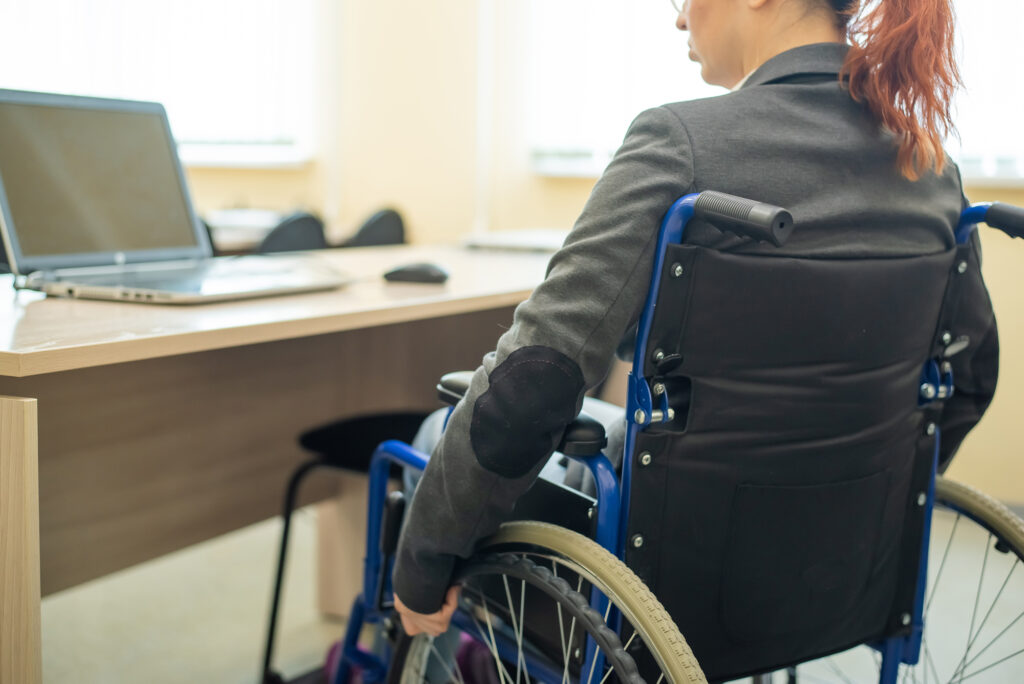
Evacuating Staff or Visitors with Special Needs or Disabilities
The Equality Act 2010 requires employers to make reasonable adjustments to ensure disabled people can access and use their premises safely. This includes providing suitable emergency evacuation arrangements during a fire or other emergency.
The most effective evacuation solution depends on several factors, including:
- The design, layout and age of the building
- The number and location of escape routes and exits
- The number of people using the premises and their individual needs
Businesses should also consider adapting audible alarms and escape route signage to support people with visual or hearing impairments.
Supporting People with Mobility Impairments
Businesses should plan how they will evacuate people with mobility impairments safely, particularly from upper floors where stairways present additional challenges.
Depending on your building and operational requirements, suitable solutions may include:
- Evacuation chairs that allow trained operators to transport passengers safely up or down stairs
- Specialist evacuation lifts
- Protected refuge areas where stair access is not immediately possible
Safety Chair supplies a wide range of evacuation chairs designed for corporate environments. Our specialists can recommend the most appropriate solution based on your building, occupancy and emergency evacuation procedures.
A refuge provides a temporary safe area protected by fire-resistant construction with access to a safe escape route. It allows disabled people to remain safe while awaiting assistance from the emergency services.
Choosing the Right Emergency Evacuation Solution
Your business’s fire risk assessment should guide your evacuation strategy and help identify the most suitable evacuation equipment.
Safety Chair offers expert site surveys to assess your building, identify potential risks and recommend tailored evacuation solutions that support compliance and improve emergency preparedness. Where appropriate, you should also seek guidance from your local fire authority before implementing significant changes.

Personal Emergency Evacuation Plans (PEEPs)
A Personal Emergency Evacuation Plan (PEEP) provides a tailored evacuation procedure for employees or regular visitors who require additional support during an emergency.
Senior managers responsible for premises management should ensure that every individual requiring a PEEP has an appropriate plan in place. A well-developed PEEP helps identify individual needs, suitable evacuation equipment and the support required to evacuate safely.
Personal Emergency Evacuation Plans (PEEPs)
Every PEEP should reflect the individual’s specific requirements and provide clear instructions for safe evacuation.
Where necessary, businesses should also consider adapting the workplace to improve accessibility and reduce the need for personal assistance during an emergency.
A standard evacuation plan may be suitable for visitors or occasional users of the building. However, it should never replace a full PEEP for employees or regular building users.
Every standard plan should consider:
- The individual’s movements throughout the building
- The building’s operational procedures
- Available escape routes and evacuation methods
- Fire detection and alarm systems
- Existing emergency evacuation procedures
The Department for Communities and Local Government (DCLG) advises that those preparing PEEPs require strong communication skills, sensitivity and appropriate training. Safety Chair delivers professional evacuation chair training to help organisations develop effective PEEPs and prepare staff to respond confidently during an emergency.
Essential Components of an Emergency Evacuation Plan
Every emergency evacuation plan should include:
- Clearly designated evacuation routes and emergency exits
- Appointed fire marshals and assembly point contacts
- A designated assembly area, ideally at least 500 metres from the building where practical
- Regular evacuation training and emergency drills
- Consultation with the police, local authority and emergency services where appropriate
Need Advice on Corporate Emergency Evacuation?
Whether you need evacuation chairs, professional training, site surveys, annual servicing or expert guidance on emergency evacuation planning, Safety Chair is here to help.
Contact our team today using the online enquiry form or call 0203 961 0054 to discuss the right evacuation solution for your business.
Book your Site Survey
Having the right evacuation chairs installed at the right time in the right place is critical to a successful evacuation. As part of a successful evacuation policy/procedure, Safety Chair offer an Evacuation Site Survey to make sure we offer the best solution possible.
Your site survey will cover:
- PEEPs / GEEPs
- Evacuation Routes
- Suitable Equipment
- Regulatory Reform Order compliance
- Other legal considerations
Please complete the form below to find out more information and to book your FREE Evacuation Site Survey:
For further assistance with evacuating your business premises please contact us using the contact form provided or call us on 0203 961 0054
Essential Components of an Emergency Evacuation Plan